
Rebuilding Credit and Regaining Financial Confidence
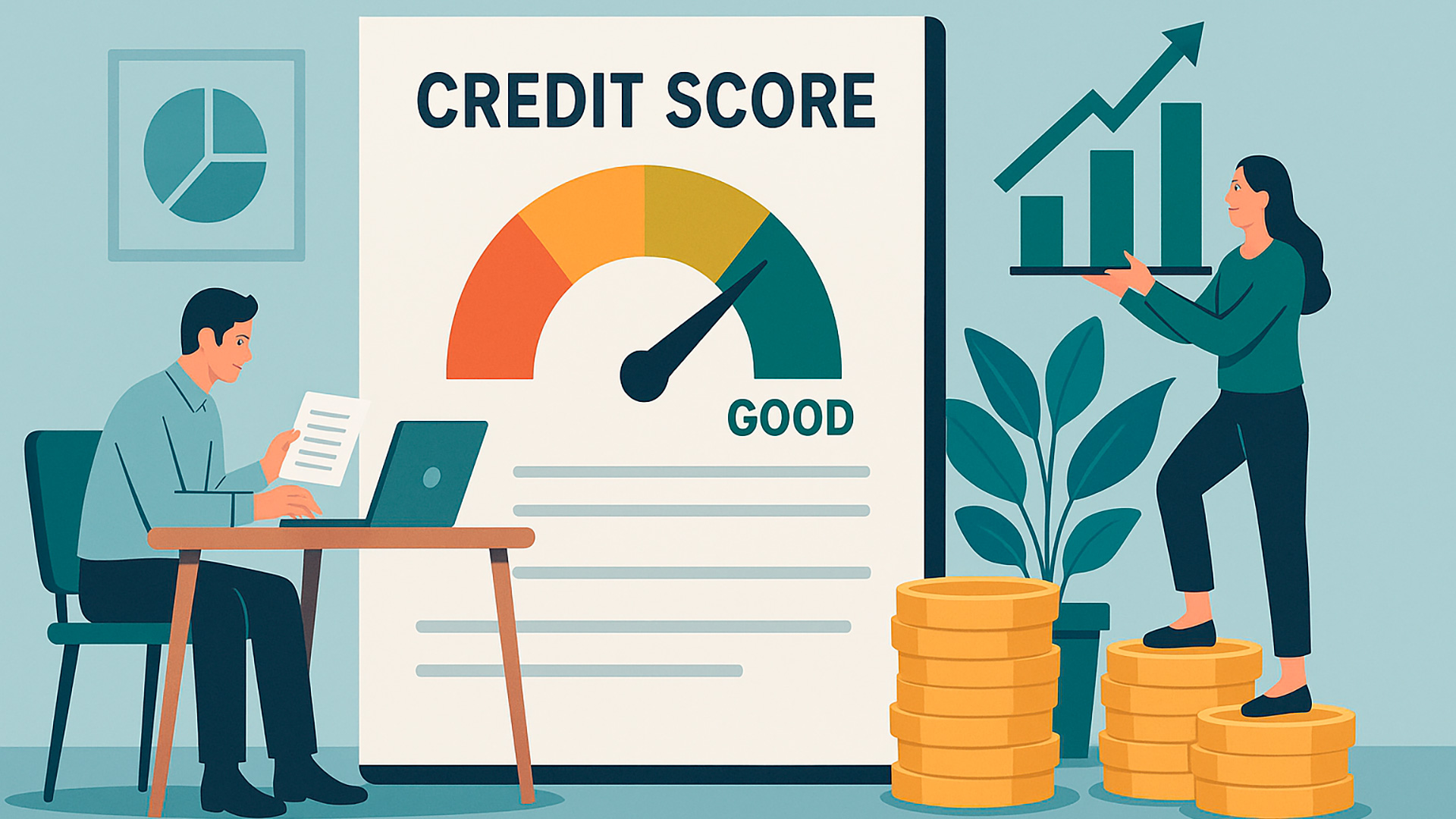
A strong credit profile is one of the most valuable assets a person can have. It determines not only whether you can borrow money, but also how much you will pay in interest, what kind of loan terms you will receive, and in some cases, even whether you can rent an apartment or secure certain jobs. When a credit score falls, it often feels like the end of opportunity. Yet, the reality is different: scores can be repaired, and financial stability can be restored. The concept of how to boost your score is not just about numbers—it is about regaining trust, practicing discipline, and using smart strategies to prove to lenders that you are reliable again.
Why Credit Scores Drop
Credit scores don’t fall overnight without reason. Late payments, high utilization of credit cards, defaulted loans, and accounts sent to collections are common culprits. Bankruptcy, foreclosures, and large amounts of unpaid debt can cause more severe drops. Even simple mistakes, such as ignoring a small bill or applying for too many credit cards at once, can chip away at a score. The good news is that all of these issues can be fixed over time. Understanding what caused the decline is the first step in creating a plan to boost your score.
First Steps to Rebuilding Credit
When dealing with a low score, many people panic and make rushed decisions, like applying for multiple new credit lines in hopes of diluting the bad marks. Instead, rebuilding requires a methodical approach:
- Check your credit report: Identify negative items and verify their accuracy.
- Dispute errors: Mistakes happen, and correcting them can provide a quick boost.
- Pay overdue accounts: Even one account brought back to current status can help improve scores.
- Avoid new debt: Focus on cleaning existing obligations before adding more.
These actions establish the groundwork for lasting improvement. While results are not immediate, consistency will gradually boost your score and restore confidence.
Real-Life Example: Recovering From Missed Payments
Consider Sarah, who lost her job and missed several credit card payments. Her score fell by more than 120 points within six months. Once employed again, she contacted her creditors to set up repayment plans, negotiated lower interest rates, and enrolled in automatic payments. Within a year, her score had recovered by almost 90 points. Sarah’s experience demonstrates that discipline and communication can make a dramatic difference when working to boost your score.
Strategies That Work Across Situations
Every borrower’s journey is different, but certain strategies apply universally:
- Keep balances low: Credit utilization—the percentage of available credit you use—is one of the biggest factors in scoring.
- Pay consistently: Even small payments made on time matter more than large irregular payments.
- Diversify accounts: Having a mix of credit cards, installment loans, and mortgages shows responsible use.
- Limit inquiries: Too many applications signal risk to lenders.
Table: Quick Wins vs. Long-Term Gains
| Action | Impact | Timeframe |
|---|---|---|
| Disputing errors | Removes inaccurate negative marks | 1–3 months |
| Paying off collections | Stops further damage, begins repair | 3–6 months |
| Lowering utilization | Improves credit ratio significantly | 1–2 months |
| Establishing payment history | Builds long-term trust | 1–2 years |
Using Credit Help Tools
Borrowers often forget that tools exist to support them. Secured credit cards, for example, require a deposit but report activity to credit bureaus, making them an excellent rebuilding tool. Credit-builder loans, available from some banks and credit unions, allow people to borrow small amounts while building repayment history. These tools are specifically designed to help consumers boost your score gradually and responsibly. Additionally, credit counseling agencies can provide guidance, negotiate with creditors, and set up structured repayment plans.
Example: Business Recovery Through Credit
After the 2008 financial crisis, many small businesses faced bankruptcy. One café owner in Ohio, Mark, saw his credit score plunge after falling behind on supplier payments. Instead of giving up, he applied for a small credit-builder loan and used the funds to reorganize operations. Within two years, his business had recovered, and his score improved by over 150 points. This example shows how determination, paired with the right credit tools, can boost your score even after severe setbacks.
When Patience Becomes a Strategy
One of the hardest lessons for borrowers is that rebuilding credit takes time. Scores won’t rise dramatically overnight. Negative marks like bankruptcies or foreclosures can stay on reports for up to 10 years, but their impact lessens over time if positive behaviors replace them. Staying consistent, avoiding new problems, and focusing on the long-term picture will eventually yield results. This patience, combined with consistent habits, is the most reliable way to boost your score.
Table: Factors That Influence Credit Scores
| Factor | Weight | How to Improve |
|---|---|---|
| Payment History | 35% | Pay all bills on time |
| Credit Utilization | 30% | Keep balances low, ideally under 30% |
| Length of Credit History | 15% | Keep old accounts open |
| Credit Mix | 10% | Diversify with cards and loans |
| New Credit Inquiries | 10% | Apply sparingly for new accounts |
Generational Impact of Rebuilding Credit
Parents who take steps to recover from credit challenges set a powerful example for children. Teaching young people about the importance of timely payments, responsible borrowing, and the risks of ignoring debt ensures better financial futures for the next generation. In this sense, learning how to boost your score is not only a personal benefit—it contributes to long-term family stability and financial literacy.
Taking Back Control
A low credit score can feel like a dead end, but it is actually an invitation to rebuild and re-establish control. Through careful planning, consistent repayment, and the use of rebuilding tools, anyone can boost your score and regain opportunities that may have seemed lost. Real-life examples prove that recovery is possible, whether for individuals paying down credit cards or business owners recovering from economic crises. Credit is more than a number; it is a story of resilience, responsibility, and renewal. By approaching it with patience and strategy, financial confidence and stability can always be restored.

How Loans Help Small Businesses Grow
For small businesses, access to capital is essential for growth and expansion. While generating revenue is a key factor in sustaining a business, there are times when additional financial resources are needed to seize new opportunities, scale operations, or weather…